What the price is made of
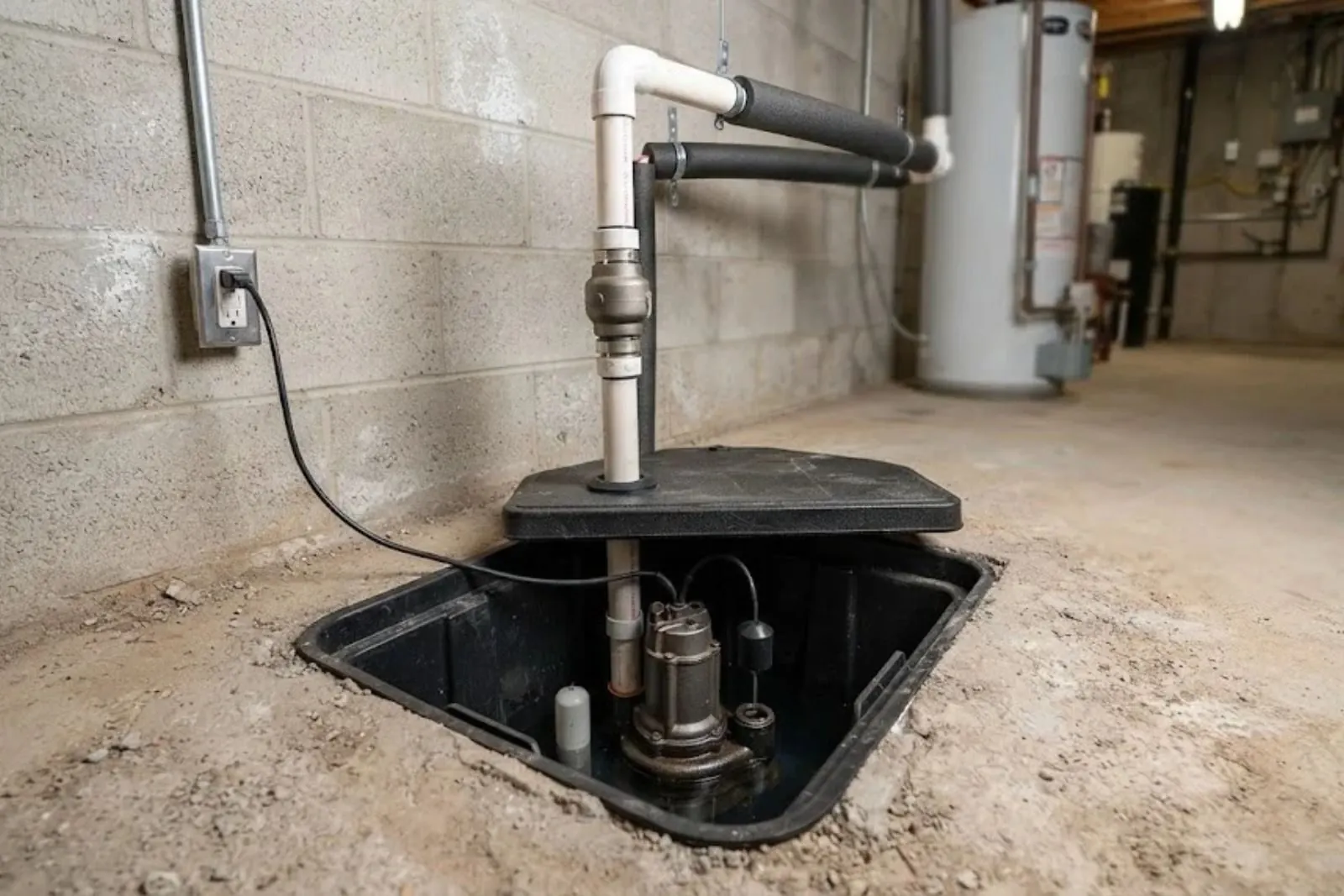
Pump replacement is usually a short job when the pit and discharge are in good shape. The price includes the pump, a new check valve, fittings and labor. Add-ons such as a new pit liner, a new discharge pipe, a battery backup and a water alarm raise the total.
Quality matters in a pump because it runs under stress. A cheap pump may fail after a few seasons. A well-made submersible with a cast housing usually lasts longer. Ask what warranty comes with the unit and who services it.
Pump options
| Pump | Features | Cost drivers |
|---|---|---|
| Submersible primary | Sits in the pit, quiet | Horsepower and material. |
| Pedestal | Motor above the pit | Easier service, louder. |
| Battery backup | Runs on a battery | Battery size and charger. |
| Combination system | Primary plus backup | Total equipment. |
What replacement involves
Disconnect and remove
Unplug the pump, disconnect the discharge pipe and lift out the old unit.
Clean the pit
Remove debris and silt so the float moves freely.
Install the new pump
Set the pump level, connect the check valve and discharge and secure the cord.
Test the system
Fill the pit with water and watch the pump cycle and the discharge outside.
Is a backup worth it
A backup pump matters when the power goes out during storms, which is when the pit is busiest. If your basement is finished or holds valuables, the extra cost is small compared with a flood. A water alarm adds another layer by alerting you before the pit overflows.
Ask for a system that fits your needs. See sump pump service for our repair and replacement options, and basement waterproofing if your basement stays damp even when the pump runs.
How to size and choose a pump
Most homes do well with a one-third or one-half horsepower submersible pump. A larger pump is not always better, because a pump that is too large can short-cycle in a small pit, which wears the switch. The depth the water must be lifted and the pipe length determine how much the pump must do, and a plumber can calculate it.
Look at the float switch. A vertical float often fits narrow pits, while a tethered float needs room to swing. Pits that are too small can cause a float to stick, which is the most common reason a pump fails to start. If your pit is cramped or cracked, replacing the liner may be worth doing at the same time.
Check valves matter too. A pump that lacks a working check valve lets water in the discharge pipe fall back into the pit each time it stops, which makes the pump restart again and again. That wastes electricity and wears the motor. A new check valve is inexpensive and should be part of every replacement.
Finally, plan the discharge. It should end well away from the foundation and slope away so water does not circle back. Frozen or blocked discharge lines are a winter failure. Ask whether a vented or freeze-resistant outlet fits your yard, and make sure the outdoor end is visible so you can check it during storms.
Mark the date of installation on the pump or the wall. A pump is a maintenance item, and tracking its age helps you replace it before it fails rather than after.
Plan the replacement for a dry period when you can. Pumps tend to fail in the heaviest rain, and an emergency swap in the middle of a storm costs more in stress than in dollars. A scheduled visit lets you choose the equipment calmly, test the system and keep the old pump as a short-term spare if it still runs.
Test the new pump on the day it goes in and again after the first heavy rain. A quick bucket test every few months keeps you aware of how it sounds and how fast it cycles, which is the best early warning you will get.
East Hartford note: discharge rules and permits
Do not connect a sump discharge to the sanitary sewer. Ask the East Hartford Department of Inspections and Permits at (860) 291-7340 where discharge may go and whether your work needs a permit. Low-lying properties near rivers and brooks can see higher groundwater in wet seasons.
If sewage comes up a floor drain rather than clean water from the pit, that is a sewer problem. MDC takes main-line reports at (860) 278-7850, press 1.
Sump pits, covers and discharge piping fall under the International Plumbing Code (IPC), adopted in its 2021 edition by the 2022 Connecticut State Building Code. A compliant install is part of what you pay for.
Need a pump replaced?
Call to schedule, or call now if the pit is overflowing.
Questions to ask when comparing quotes
Bring these to each estimate.
- What pump is included?Ask for brand, horsepower and warranty.
- Is the check valve new?A new valve prevents backflow.
- Is the discharge line included?Ask whether any pipe is replaced.
- Is a backup quoted?Compare equal systems.
Nearby towns
We replace pumps across the area. If your basement is in South Windsor or Glastonbury, tell us the address and the pump model when you call.
Common questions
Many last around ten years, shorter if they run often.
Many homeowners can, but the check valve and discharge need care. A plumber can do it quickly.
It helps in storms when power fails.
Often only with water backup coverage. Ask your agent.
Yes. We take emergency calls 24/7.