What we install
The most common installs are kitchen and bathroom faucets, sinks, toilets, vanities, tubs and showers, dishwashers, ice maker lines, washing machine boxes, utility sinks and hose bibs. We also add or replace shutoff valves so that the next repair does not require turning off the whole house.
Many people buy a fixture online and need it installed. We handle that. We check that the model fits the opening, the supply lines are the right length and the drain connects without strain. If the fixture is a bad fit, we tell you before cutting anything.
Common install projects
Kitchen sink and faucet
Includes supply lines, drain, disposal hookup and dishwasher connection when present.
Bathroom remodel rough-in
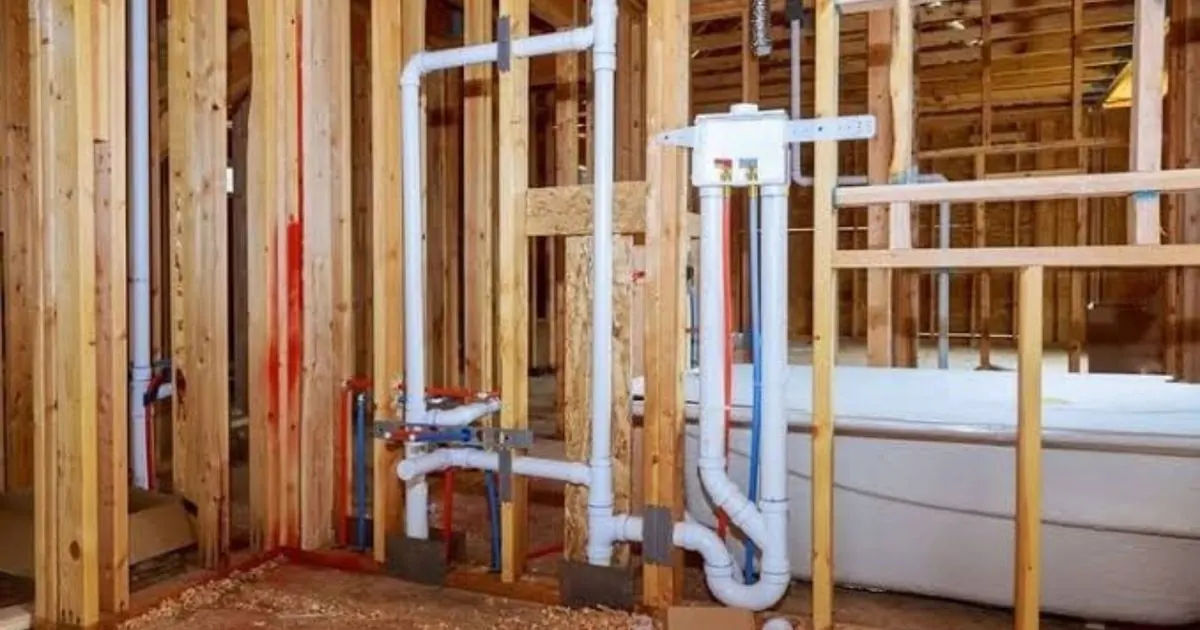
New locations for a vanity, toilet or shower need drain and supply routing before walls close.
Laundry hookups
A washer box, shutoffs and a standpipe drain make a safe, serviceable setup.
Outdoor spigots
Frost-free hose bibs help prevent winter bursts when installed with proper slope.
Plan around code and permits
Adding or moving plumbing generally involves code requirements for venting, trap size and pipe slope. The Connecticut State Building Code adopts the International Plumbing Code, and local officials enforce it. A permit is commonly required for new work beyond like-for-like fixture swaps. The Department of Inspections and Permits in East Hartford can confirm for your project at (860) 291-7340.
Water heater installs have their own page. See water heater installation. For failing existing fixtures, faucet repair and toilet repair cover those.
Preparing for the installer
A smooth install starts with a clear space. Empty the cabinet under a sink, clear the area around a toilet and make sure we can reach the shutoff valves. Have the fixture on site, in the box, with the installation instructions and any extra parts that came with it.
If the fixture is large, such as a freestanding tub or a double vanity, measure the doorway and the room. A product that does not fit through the door is a common reason for a delayed job. Tell us about any known problems such as slow drains or old shutoffs, since fixing them first avoids a second visit.
After installation we run the fixture, check every connection for drips and show you where the shutoff is. That last step matters, because the person who knows the shutoff location can stop a future leak in seconds.
Swap or new work
| Job | Typical scope | Permit question |
|---|---|---|
| Same-location fixture swap | Remove and replace | Often no permit, confirm locally. |
| Move a fixture | New drain and vent | Usually yes. |
| Add a bathroom | New supply, drain and vent | Yes. |
| Add a washer hookup | New box and drain | Often yes. |
Ready to schedule an install?
Call with the fixture and the room. We confirm the plan and the time.
East Hartford note: homes and mixed pipe
Many East Hartford homes have a mix of original and later pipe. A fixture swap sometimes reveals old galvanized stubs or corroded shutoffs. We replace what fails so your new fixture is not connected to a weak joint. If the pipe behind the wall is worn out, see repiping.
Mineral content in water can affect new fixtures over time. MDC publishes an annual Water Quality Report and a lab line at (860) 278-7850 ext. 3901 for questions.
Venting, trap arms and fixture clearances come from the International Plumbing Code (IPC). Connecticut adopts the 2021 IPC through its 2022 State Building Code, and the local official enforces it.
What affects the cost of plumbing installation
A like-for-like swap is simple. New work is not.
Installation is usually not an insurance matter. If an install triggers a leak, that can be a covered loss. Ask your agent.
Common questions
Yes. We check the specifications first and tell you if anything will not fit.
If a fixture has failed and cannot be repaired, we can replace it on an urgent basis. For leaks, see burst pipe repair.
Like-for-like swaps often do not. Confirm with the East Hartford permit office.
Yes, with attention to drain depth. A sewage ejector may be needed if the drain is above the main.
Yes. We connect water, drain and shutoffs. The electrical supply is a separate trade.